REVIEW · TOKYO
Mount Fuji and Hakone Day tour with English speaking Drivers
Book on GetYourGuide →Operated by Tourism to Japan · Bookable on GetYourGuide
One day near Mt. Fuji changes your travel brain. This 10-hour small-group tour from Tokyo pairs big, famous views with a practical plan, plus English-speaking drivers to keep you moving and understanding what you’re seeing.
I especially like how the day is built around clear photo stops and short guided moments, from Arakurayama Sengen Park to the Oshino Hakkai area. You’ll also get private, air-conditioned transport with hotel pickup/drop-off, which matters when the clock is ticking and traffic can be real. The main drawback is simple: it’s a long day, and road time can stretch during busy periods.
In This Review
- Key things to know before you go
- Price and logistics: what you’re actually paying for
- Tokyo pickup to the first viewpoint: how the day starts
- Choosing between Itinerary A and Itinerary B
- Itinerary A: Arakurayama Park, Fuji 5th Station, Lake Kawaguchi, Oshino Hakkai
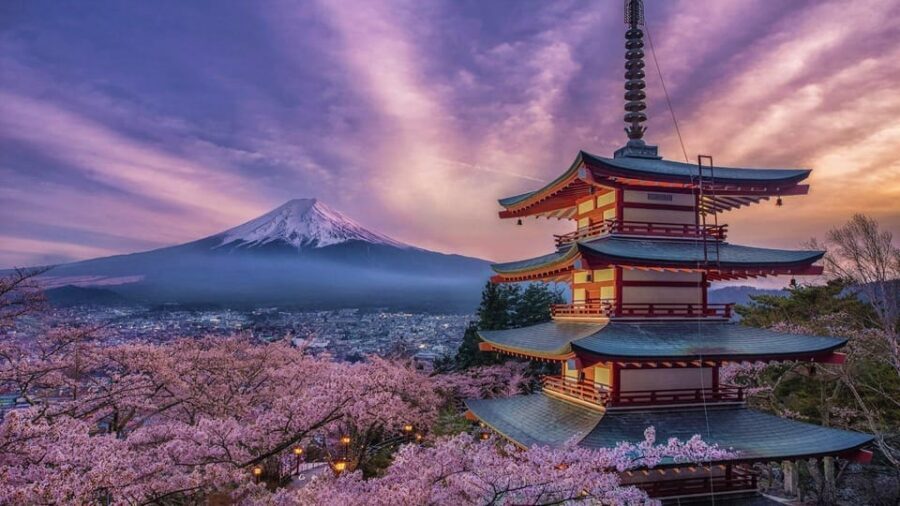
- Arakurayama Sengen Park: a classic Fuji start
- Kitaguchi-hongu Fuji Sengen Shrine: calmer, more grounded pacing
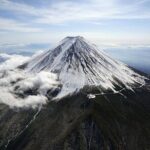
- Mount Fuji (5th Station): big elevation day, limited time
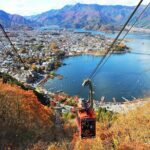
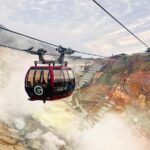
- Lake Kawaguchi + panoramic ropeway: spreading the Fuji story
- Oishi Park: another viewpoint reset
- Oshino Hakkai: the calm finish
- The rhythm to remember on Itinerary A
- Itinerary B: Hakone ropeway, sightseeing cruise, hot springs bath, open-air art
- Arakurayama Sengen Park + Oishi Park: Fuji context built in
- Hakone Ropeway: a moving viewpoint
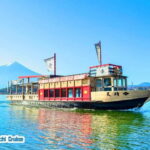
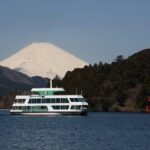
- Hakone Sightseeing Cruise: slower water time
- Hot springs bath: the experience highlight
- Hakone Open Air Museum: a break from scenery-only travel
- A real-world pace lesson: photo stops plus guided time
- Driver quality: why names like Ahmad and Afzal Anjum matter
- What to bring (and what to plan around) for a Fuji and Hakone day
- Should you book this Mt. Fuji and Hakone day tour?
- FAQ
- How long is the tour?
- Where does the tour start and end?
- Is there Wi-Fi during the drive?
- Is entry fees included?
- Is food and drinks included?
- What languages are supported?
Key things to know before you go
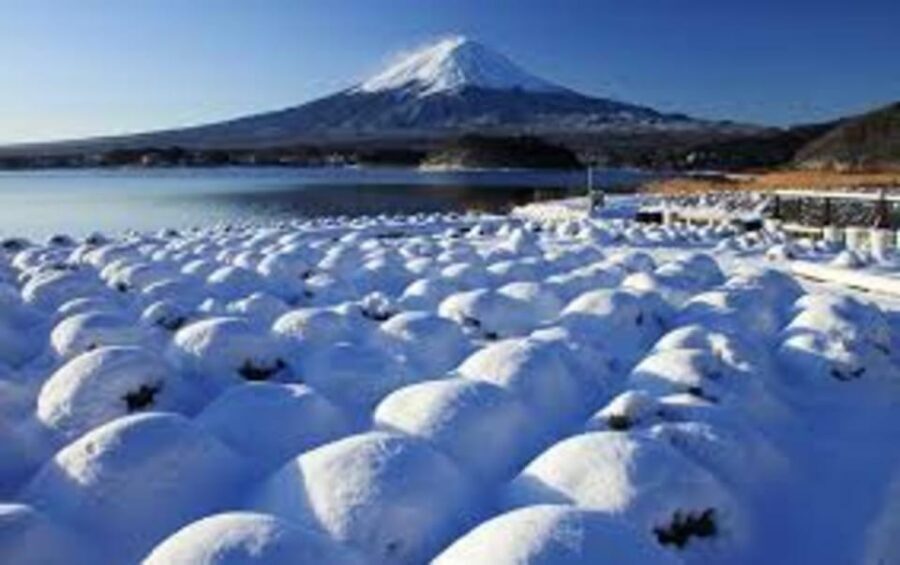
- Two route styles: Fuji Five Lakes focus in one option, Hakone ropeway, cruise, hot spring bath, and art museum in the other
- Small group cap: limited to about 6 people, so stops feel organized instead of chaotic
- Comfort on a long drive: air-conditioned vehicle plus an in-vehicle Wi‑Fi hotspot (availability varies)
- Multiple guided options: English-speaking driver, and a live guide listed with English plus other languages
- Value for a private day: priced per group (up to 5), including fuel and tolls
Price and logistics: what you’re actually paying for
This tour is priced at $967 per group (up to 5 people) for a 10-hour day. If you split it with a full group of 5, that works out to roughly $193 per person for private transportation plus hotel pickup/drop-off, fuel, and tolls.
That’s why it can feel like good value. You’re not just paying for a bus ticket. You’re paying for a private, air-conditioned vehicle, an English-speaking driver, and a planned sequence of major stops around Mt. Fuji and/or Hakone—things that are hard to stitch together smoothly on your own in one day.
Two cost notes to keep you sane:
- Entry fees are not included, and you should expect to pay those directly on-site if required.
- Food and drinks are also not included, so budget for at least a couple meal breaks (the schedule gives you a few built-in pauses, but it doesn’t mean meals are covered).
Also, you’re not stuck with a rigid schedule with no flexibility. The offering includes reserve now & pay later and free cancellation up to 24 hours in advance (handy if weather is sketchy).
Other Mount Fuji tours we've reviewed at Mt Fuji & Kawaguchiko
Tokyo pickup to the first viewpoint: how the day starts
Your day begins with hotel pickup in Tokyo and a return to Tokyo at the end. The tour runs for 10 hours, so your “first hour” matters: you want to be ready, jacket accessible, camera charged, and mentally prepared for time spent on roads.
You’re in a private air-conditioned vehicle, and there’s a Wi‑Fi hotspot in the vehicle (only if it’s available). That’s not a luxury you need for survival—but on a long drive it’s useful for maps, translating signs, and keeping everyone calm.
Because it’s a small group (capped at 6 participants), photo stops usually feel more controlled. You’re not fighting a crowd trying to get to the same railing, and you get enough time to shuffle between viewpoints without feeling rushed out the door.
One reality check: road conditions can change fast. One example from the field is how traffic can be heavy during school holidays, so a professional, safety-first driver makes the day feel easier—even when the calendar gets crowded.
Choosing between Itinerary A and Itinerary B
The tour gives you two different ways to spend the same 10 hours. The trick is choosing based on what you want your “main character moment” to be.
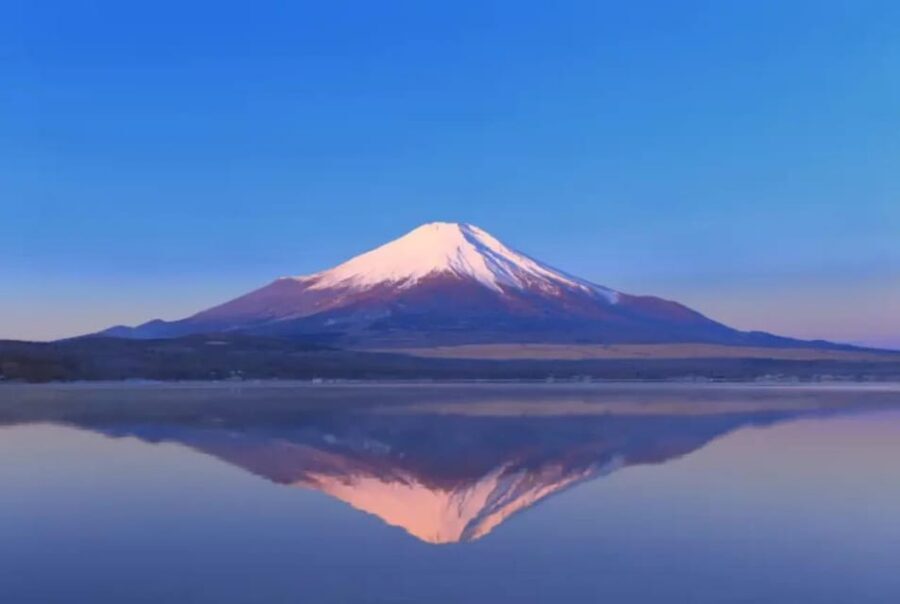
- Itinerary A leans into Mt. Fuji: viewpoints, shrine stops, Fuji 5th Station, and Lake Kawaguchi with the panoramic ropeway, plus the classic Oshino Hakkai area.
- Itinerary B leans into Hakone: ropeway ride, a sightseeing cruise, a hot springs bath, and the Hakone Open Air Museum, with Arakurayama Sengen Park and Oishi Park also included.
If your heart says Fuji, pick Itinerary A. If you want variety and a more “Hakone-feels-like-a-trip” rhythm, pick Itinerary B.
Itinerary A: Arakurayama Park, Fuji 5th Station, Lake Kawaguchi, Oshino Hakkai
This route works well if you want a full-on Fuji day: shrine energy, lake views, and the kind of photo moments people plan trips around.
Arakurayama Sengen Park: a classic Fuji start
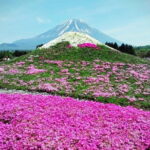
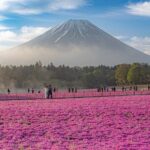
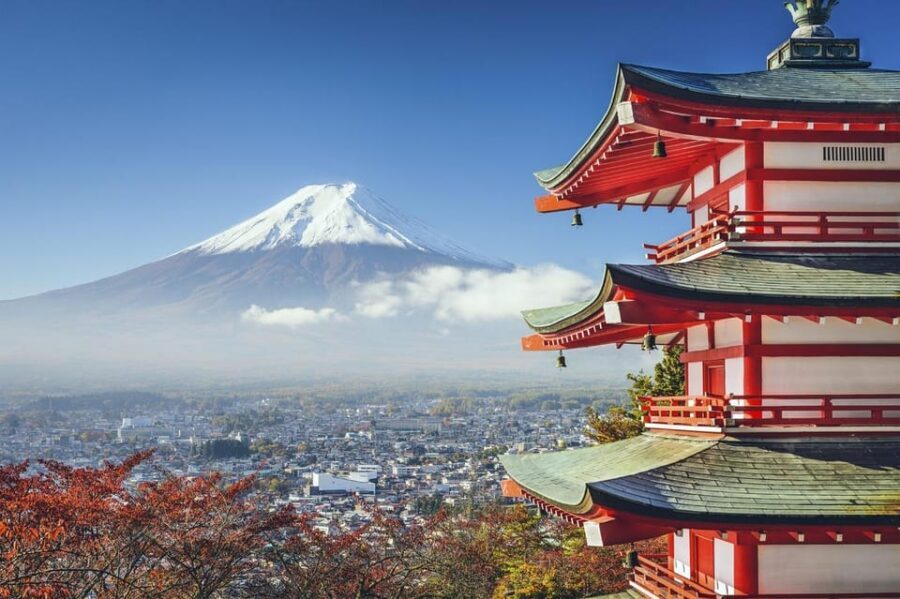
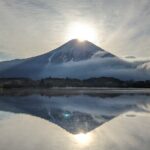
You’ll start with a visit and photo stop at Arakurayama Sengen Park. The schedule includes guided time and then time to walk around on your own. This is often where you get your first big sense of scale—Mt. Fuji is the headline here, and the park gives you a built-in spot to see it from a prime viewing area.
Practical tip: keep your camera ready early. Morning light can matter, and the day’s best visibility might show up sooner rather than later.
Other Mt Fuji and Hakone combo tours at Mt Fuji & Kawaguchiko

Kitaguchi-hongu Fuji Sengen Shrine: calmer, more grounded pacing
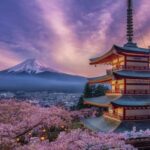
Next is Kitaguchi-hongu Fuji Sengen Shrine with a guided visit and time to explore. This stop is a nice change of pace from pure viewpoint-hunting. You’re trading “look up at the mountain” time for a more human, cultural moment—still Fuji-themed, but with a different feel.
If you like your travel days to include both photos and meaning, this shrine stop does the job without eating the whole clock.
Mount Fuji (5th Station): big elevation day, limited time
Then you head to Mount Fuji (5th Station). The schedule includes guided touring and sightseeing time, plus a photo stop. This is the part of the day that can feel like the most “wow” in a single glance—yet it’s also the segment most likely to depend on weather.
So plan for flexibility: if visibility is clear, you’ll enjoy it even more. If clouds roll in, you’ll still get the sense of place by being at a higher elevation and taking in the views you can.
Lake Kawaguchi + panoramic ropeway: spreading the Fuji story
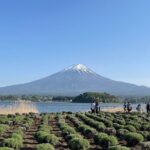
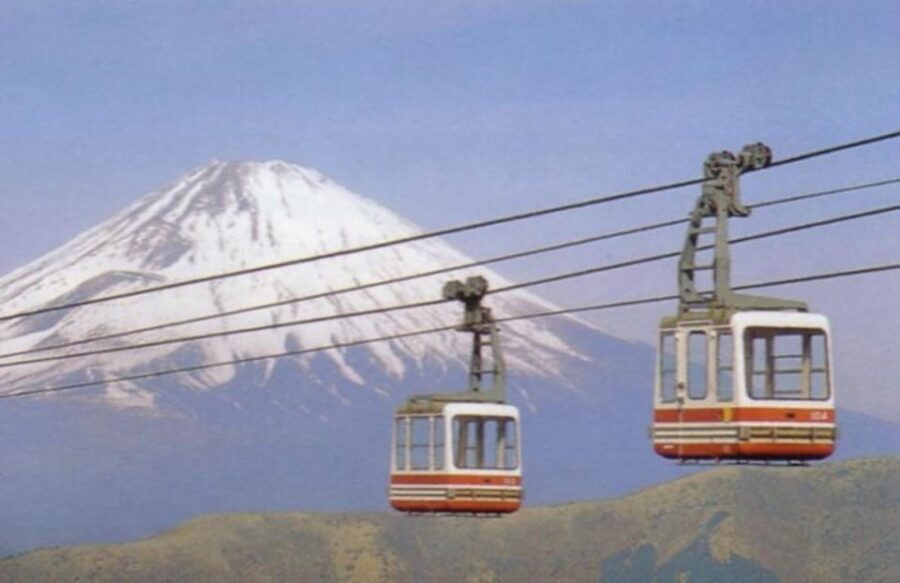
At Lake Kawaguchi, you get a break time plus photo and guided sightseeing. You also include a panoramic ropeway here. This is where the day shifts from single-point views to wider perspectives.
Why this is valuable: Fuji can look different depending on distance and angle. The ropeway addition gives you another viewpoint layer, and it helps avoid the feeling that you saw only one version of the mountain all day.
Oishi Park: another viewpoint reset
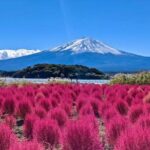
You’ll also stop at Oishi Park for a guided visit and time for walking. Since it’s another park-based viewing stop, this is a chance to compare what you saw earlier—especially if weather or lighting changes during the day.
Oshino Hakkai: the calm finish
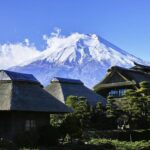
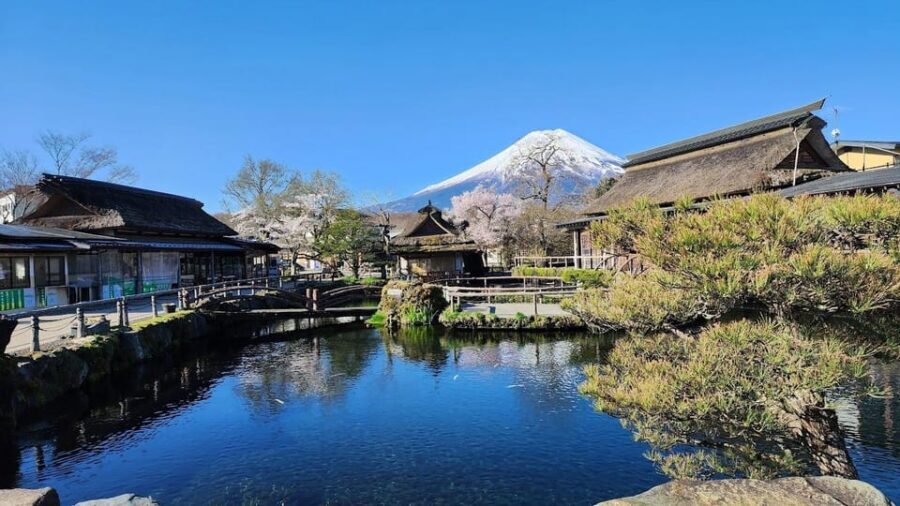
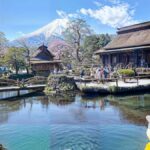
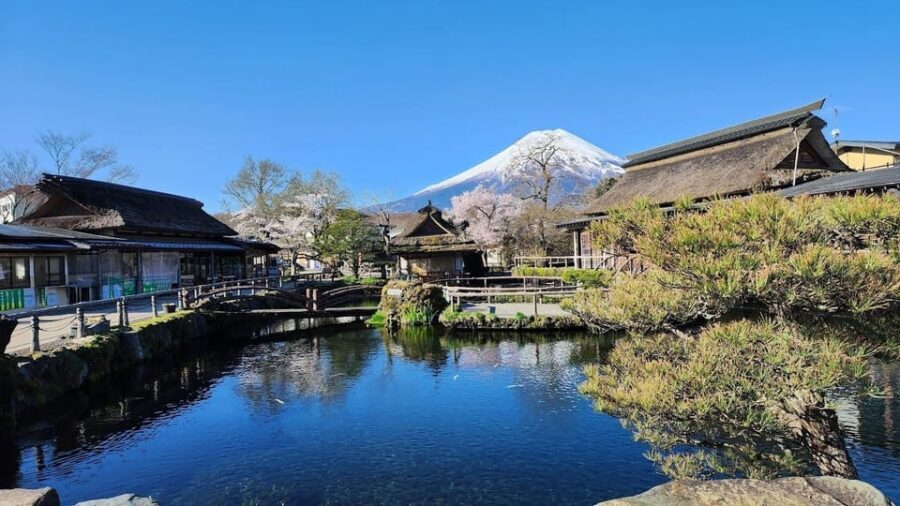
Finally, you’ll reach Oshino Hakkai with guided time plus a shopping stop. Expect a longer feel here: walk around, slow down, and take in the Fuji connection through this specific area’s famous sights.
One bonus detail from the schedule: in the Fuji-route day plan, there’s often a brief stop at Saiko Iyashi-no-Sato Nenba for shopping and a short walk. It’s a compact add-on, but it breaks up the day nicely before you head back toward Tokyo.
The rhythm to remember on Itinerary A
Photo stop → short guided look → walk around → repeat. That pattern keeps you from feeling stuck on a tour bus the whole time, while still making sure you hit the big Fuji anchors.
Itinerary B: Hakone ropeway, sightseeing cruise, hot springs bath, open-air art
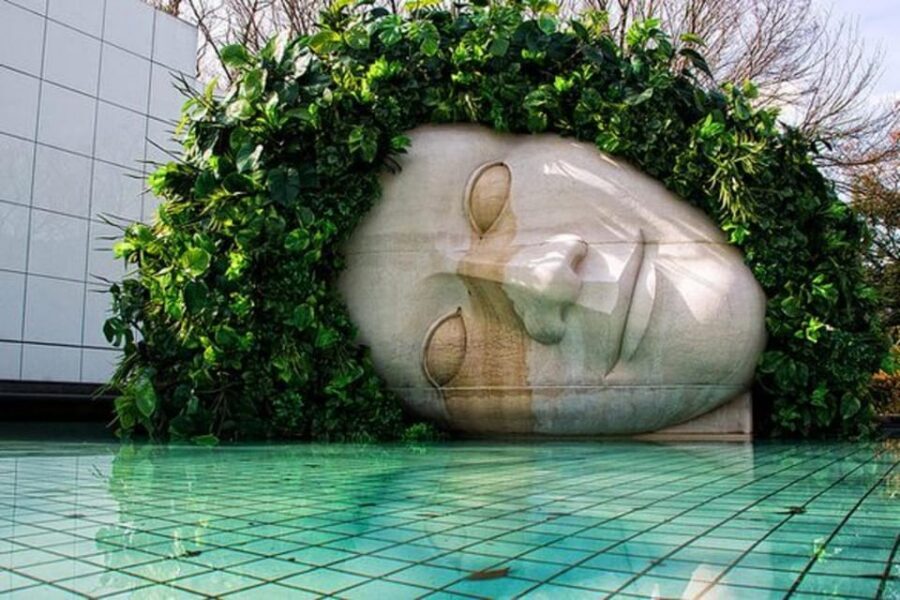
Choose Itinerary B if you want variety that feels like more than one-day-of-driving. This route mixes transport-based sightseeing with an actual experience moment: the hot springs bath and the Hakone Open Air Museum.
Arakurayama Sengen Park + Oishi Park: Fuji context built in
Even though this is the Hakone-focused option, you still include Arakurayama Sengen Park and Oishi Park. That matters because it gives your day a Fuji backbone before you switch to Hakone’s signature transportation and nature/arts vibe.
Hakone Ropeway: a moving viewpoint
Next up is the Hakone Ropeway. The value here is simple: you’re not just stopping at viewpoints—you’re traveling through the area and getting a different perspective while you move.
If you’re the type who gets tired of standing still for photos, ropeway time is a nice change.
Hakone Sightseeing Cruise: slower water time
Then you’ll do a Hakone Sightseeing Cruise. This is great for breaking up the energy of the day. A cruise gives you time to sit, look, and reset without rushing.
It also helps when you’re doing multiple major stops in one day. Sitting for a bit often improves your enjoyment for the rest of the schedule.
Hot springs bath: the experience highlight
Your itinerary includes a Hot Springs Bath. This is the one item that can make the whole day feel worth it even if weather is only so-so.
A practical caution: the tour isn’t suitable for pregnant women and people with high blood pressure. Hot springs can be physically demanding. If either applies to you, skip this route and choose a different style of day trip.
Hakone Open Air Museum: a break from scenery-only travel
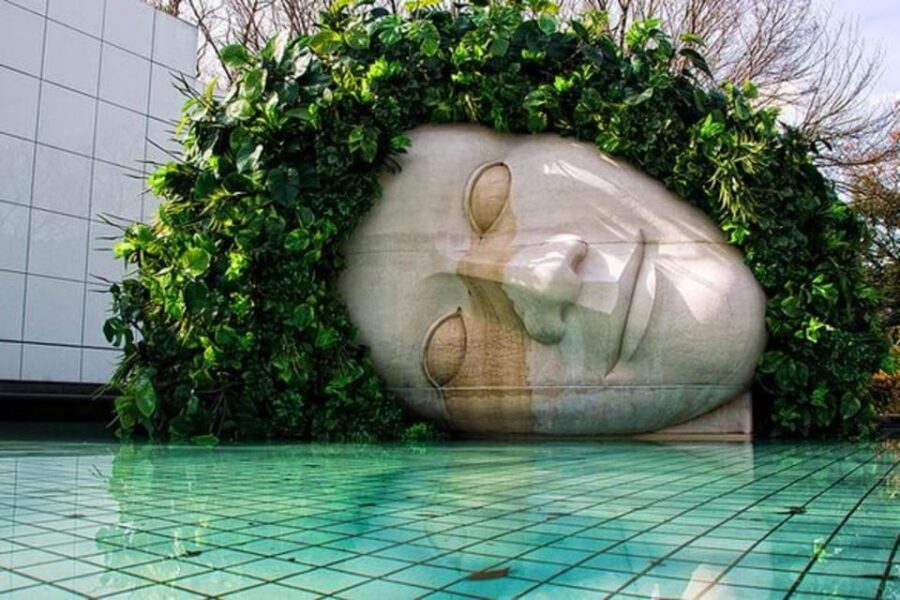
The day ends with Hakone Open Air Museum. You’ll get time for visiting and experiencing the museum setting. Compared with another viewpoint park, a museum stop adds texture to the trip—especially if you want something more than photos.
A real-world pace lesson: photo stops plus guided time
This tour is built around a mix of photo stops, guided tour time, and walk/self-guided time. That format is ideal when you want structure without feeling trapped.
Here’s what to watch for:
- Photo stops are short by definition. If you want the best shot, you’ll need to move quickly when the group does.
- Walk time is where you can actually enjoy the stop, not just photograph it. Comfortable shoes matter more than you think.
- Guided time helps you understand what you’re looking at. Even with an English-speaking driver, a live tour guide with multiple languages is listed, so you should get explanations, not just transportation.
A small-group day also means you can ask simple questions. If you’re unclear about timing or where to go next, a professional driver can make it feel calm instead of stressful.
Driver quality: why names like Ahmad and Afzal Anjum matter
When I look at day trips like this, I don’t just look at the itinerary. I look at how the day is handled between stops—because that’s where good tours win.
One driver named Ahmad is described as professional and punctual, and also genuinely informative. During a long day with traffic (especially when timing gets messy around school holidays), the emphasis is on safe, steady driving so you arrive back in Tokyo without drama.
Another name you might see is Afzal Anjum, described as well organized. The standout details there are small-but-meaningful touches: starting the day with breakfast and sweets, acting as a personal photographer during the journey, and ending the day with ice cream beside Kawaguchi lake.
Those are not required “tour extras,” but they show the point: the best version of this day is the one where the human side makes the schedule feel friendly, not mechanical.
What to bring (and what to plan around) for a Fuji and Hakone day
You’ll cover a lot of ground in 10 hours, and you’ll do it in parts: parks, shrines, ropeways/cruise, and then walking time. Keep your day practical.
Bring:
- Comfortable walking shoes
- Light layers (temperature can change with elevation)
- A charged phone/camera
- Basic cash or card for entry fees and shopping stops
- Water and snacks only if you want them (food isn’t included)
Plan around:
- The day is not a sprint, but it is long. Even with great driving, you’ll spend meaningful time in the vehicle.
- Weather affects how satisfying Fuji views can be. If visibility is limited, your best strategy is to focus on the variety: shrine, ropeway, lake area, and the Hakone experience depending on your route choice.
Health note to respect: pregnant women and people with high blood pressure are not suited for this tour.
Should you book this Mt. Fuji and Hakone day tour?
Book it if you want a one-day plan that hits major icons without you having to figure out every connection from scratch. It’s especially worth it when you value:
- Private, air-conditioned transport with hotel pickup/drop-off
- A small group so stops feel manageable
- A choice between Fuji Five Lakes style (Itinerary A) and Hakone hot springs + art + transport rides style (Itinerary B)
Skip it if:
- You’re looking for a slow, open-ended day with lots of downtime.
- Anyone in your group needs to avoid a physically demanding day due to the listed health restrictions.
If your priority is classic Fuji views plus the Hakone experience, or even just one of those goals done well in a single day, this is a strong option.
FAQ
How long is the tour?
The duration is 10 hours.
Where does the tour start and end?
It includes hotel pickup in Tokyo and returns you to Tokyo at the end.
Is there Wi-Fi during the drive?
Yes, there is a Wi-Fi hotspot in the vehicle, but availability is subject to conditions.
Is entry fees included?
No. Entry fees are not included.
Is food and drinks included?
No. Food and drinks are not included.
What languages are supported?
The driver is English-speaking, and the live tour guide is listed in English, Japanese, Hindi, Arabic, and Punjabi.