REVIEW · TOKYO
Mt Fuji Exclusive Tour with Private Car English Guide
Book on Viator →Operated by Dream Tours Japan · Bookable on Viator
Few places feel this iconic.
This Mt Fuji private car tour from Tokyo is built for real-time views and easy pacing, with hotel pickup, a dedicated English-speaking guide/driver, and stops like Oshino Hakkai and Lake Kawaguchi. You’re not squeezed into a bus rhythm, and you get time to walk, snack, and shoot photos without feeling rushed.
What I like most is the way it strings together classic Fuji-area sights in one day, while still leaving room to breathe at each stop. I also love the flexibility that shows up in real service: guides like Ali and Amir (names shared in past trips) are praised for being punctual, respectful, and timing stops well so you can actually enjoy them. One thing to consider: at least some guides may focus on driving and giving photo guidance rather than accompanying you into every tiny corner, so plan on exploring parts on your own time.
If your priority is Mt Fuji views on a clear day, keep expectations practical. The tour depends on weather, and if conditions are too poor, it can be swapped or refunded, like most Fuji plans should be. Also, it’s not recommended for travelers over 95 years old due to the day’s walking and elevation changes.
In This Review
- Key highlights at a glance
- Private car comfort: what changes when it is just you
- The 9–10 hour rhythm from Tokyo (and why timing can shift)
- Oshino Hakkai: crystal-clear spring water and calm walking
- Oishi Park: flower gardens plus a classic Fuji viewpoint
- Kitaguchi Hongu Fuji Sengen Jinja Shrine: the Yoshida Trail gateway
- Mt. Fuji 5th Station: worth it, but only when weather cooperates
- Chureito Pagoda: famous steps, best-spot photography planning
- Lake Kawaguchiko: the calm between the photos
- Optional Saiko Iyashi no Sato Nemba: when you want more than views
- Price and value: how $445 makes sense for up to four
- Who this tour fits best (and when to think twice)
- Should you book this Mt Fuji private car tour?
- FAQ
- How long is the Mt Fuji Exclusive Tour with Private Car and English Guide?
- How many people can join the private tour?
- Do I get hotel pickup in Tokyo?
- Are there admission fees for the stops?
- Is the Mt. Fuji 5th Station included every day?
- Is lunch included in the price?
- What if weather is bad on the day I book?
- Is this a private tour or shared with other groups?
- Can I cancel for free?
Key highlights at a glance
- Hotel pickup in Tokyo with round-trip transfers and a private car just for your group
- Small-group feel (priced for up to 4) so you can linger for photos without negotiating with crowds
- Classic Fuji stops: Oshino Hakkai, Oishi Park, Kitaguchi Hongu Fuji Sengen Jinja Shrine, Chureito Pagoda, Lake Kawaguchiko
- Mt Fuji 5th Station only if weather permits, with the admission fee paid separately
- Optional add-on: Saiko Iyashi no Sato Nemba (extra charge) if you want more atmosphere
- English guide/driver support praised for punctuality and safety, with names like Zubi and Imran appearing in feedback
Private car comfort: what changes when it is just you
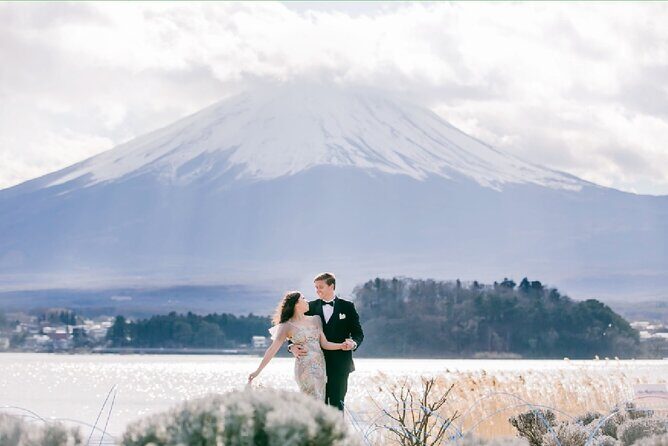
The biggest reason to book a private Mt Fuji day tour is simple: you control the tempo. This isn’t a big bus day. It’s one vehicle for your group, with pickup and drop-off tied to your location in Tokyo. That means fewer transfers, less standing in lines, and less time wasted playing “when does this bus actually leave?”
You’ll also appreciate the practical comfort of being able to stretch out and keep your gear close. Fuji-area sightseeing usually means quick walks, photo breaks, and lots of moving in and out of viewpoints. A private car makes that smoother, especially if you’re traveling with kids, older parents, or you just hate feeling herded.
In real feedback, guides and drivers named Ali, Amir, Sameer, and Imran come up again and again for being punctual and respectful, plus for making the day flow in a way that avoids unnecessary stress. That matters because Mt Fuji tours live and die by timing.
Other Mount Fuji tours we've reviewed at Mt Fuji & Kawaguchiko
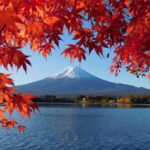
The 9–10 hour rhythm from Tokyo (and why timing can shift)
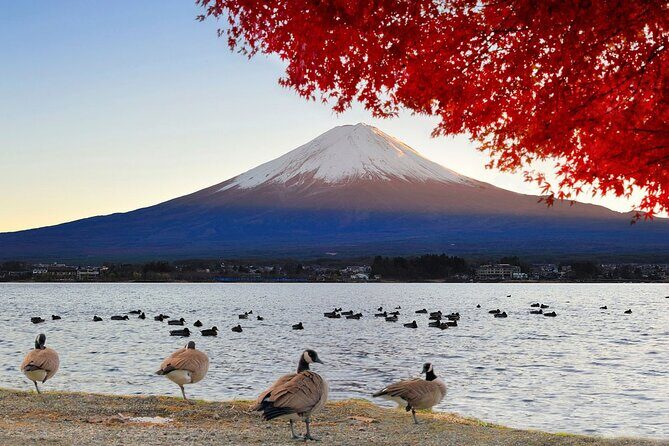
Expect a long day: about 9 to 10 hours total. That usually sounds standard until you realize how much driving time goes into reaching the Fuji Five Lakes area. The itinerary is built so the remaining time is basically travel between stops.
Here’s the key detail you should plan around: your driver can request you to change the time a bit earlier due to bad traffic or weather. That sounds minor, but on Mt Fuji days it can be the difference between catching a view or watching clouds swallow the mountain right as you arrive.
Also, remember that the tour is designed to work even when the conditions are not perfect. One past trip described the day as rainy, yet the guide kept options open for different walking speeds. Another described clouds parting and still producing decent pictures. You can’t control visibility, but you can control whether you waste your limited daytime waiting in the wrong spot.
Oshino Hakkai: crystal-clear spring water and calm walking
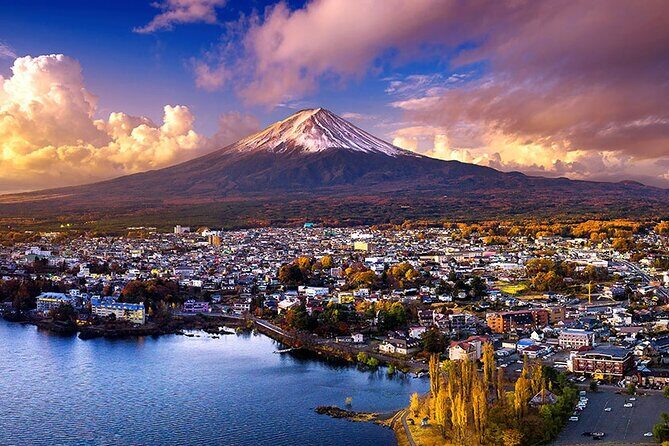
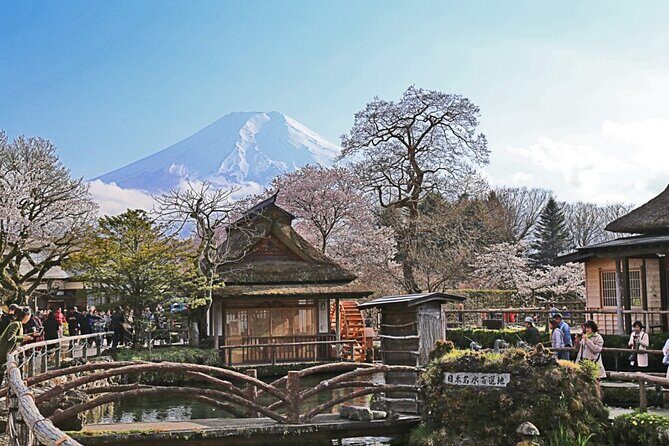
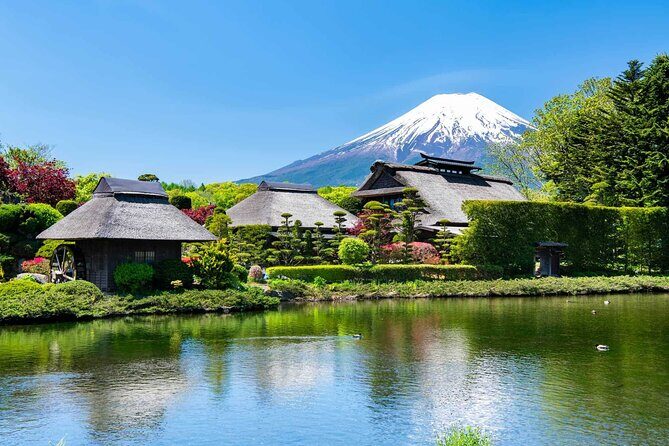
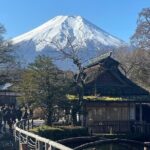
Oshino Hakkai is the first major stop, and it’s one of those places that feels more local than tourist-mall. The star is the spring water system fed by Mount Fuji snowmelt. You’re not just taking a quick photo and leaving. You typically get about one hour to stroll, absorb the quiet, and wander at your pace.
This stop is especially good if you want a Fuji experience that isn’t only about views. It’s about the water and the village layout around it. You can slow down here without feeling like you’re breaking the tour schedule.
A practical tip: bring water for yourself if you like to sip while walking. The tour includes free entry for this stop, but it doesn’t mean refreshments are free everywhere. You’ll likely find small places to buy drinks and snacks on your own at the village level.
Oishi Park: flower gardens plus a classic Fuji viewpoint
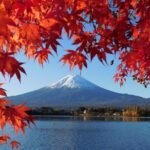
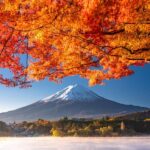
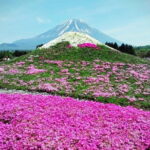
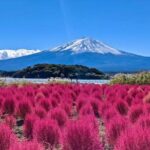
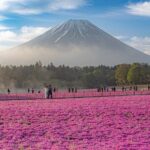
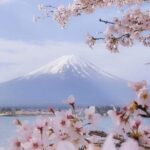
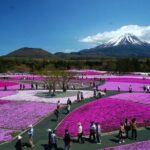
Next up is Oishi Park, on the shores of Lake Kawaguchi. This is where the mountain-view sightseeing really kicks in. You get about one hour, and the payoff is the combination of lake air, wide open sightlines, and garden scenery with Mount Fuji in the background when the weather cooperates.
Oishi Park is also one of those places where you can do two things at once:
1) walk and scan for the best angle, and
2) enjoy a simple treat while you wait for the light to change.
The tour info specifically notes delicious soft-serve ice cream here, which is exactly the kind of low-effort pleasure that makes a long day feel worth it. You’re on Fuji time, which means you may stare up at the sky more than once.
If visibility is spotty, don’t rush. I like Oishi Park because even when Fuji is partially hidden, the lake setting still gives you something to look at. It’s not an all-or-nothing stop.
Kitaguchi Hongu Fuji Sengen Jinja Shrine: the Yoshida Trail gateway
After Oishi Park, you visit Kitaguchi Hongu Fuji Sengen Jinja Shrine in Fujiyoshida. This is a Shinto shrine located at the northern foot of Mount Fuji and serves as a main entrance to the Yoshida Trail—one of the traditional routes climbers use.
You get about one hour, and this stop adds a cultural layer to a day that could otherwise feel like only viewpoints and photos. Even if you’re not climbing, it’s valuable to connect the mountain to the people and traditions that surround it.
The shrine visit is also a good change of pace: you can walk more slowly, pause for calm photos, and reset before the higher-elevation decision about the 5th Station.
One note: shrine spaces can involve stairs and uneven paths. It’s usually fine for most visitors, but if you prefer flat walking, plan to take your time at your own pace.
Other guided tours in Tokyo
Mt. Fuji 5th Station: worth it, but only when weather cooperates
The Mt. Fuji 5th Station is included only if weather permits, and there’s an important cost detail: the admission fee is 2,800 yen per group, paid separately (not included in the base price).
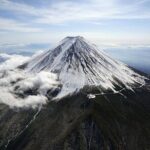
This stop sits at around 2,300 meters, which means the temperature and wind can feel very different from Tokyo. You also need to treat it like a conditional visit. If clouds or rain roll in, the mountain might be completely hidden, and you’ll want the time plan to still make sense.
Why people chase the 5th Station anyway? It’s the closest you can get to the climber’s world without needing to train for a full summit trek. Even when it’s not crystal clear, being at that elevation gives you a physical sense of the mountain’s scale.
If you do go up, wear shoes that handle walking and possible wet surfaces. And don’t schedule anything too tight afterward—this is one of the stops that can run long if you’re waiting for the view to clear.
Chureito Pagoda: famous steps, best-spot photography planning
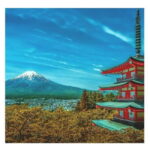
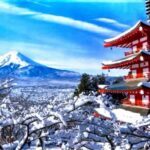
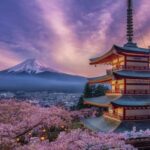
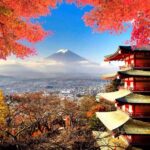
Then comes Chureito Pagoda at Arakura Sengen Shrine in Fujiyoshida. The big draw is the famous five-storied pagoda framed against Mount Fuji, and you typically get about one hour here.
The tour includes 1 hour at Chureito Pagoda with free admission, and that timing is about right for two reasons. First, you’ll likely want to walk up a series of steps. Second, this is a place where photo timing matters; the lighting and Fuji clarity can change quickly.
Here’s a practical reality check based on real experiences: one trip feedback mentioned that the driver did not accompany the group up at Chureito Pagoda, so visitors were on their own there. That doesn’t mean the tour is bad. It does mean you should be comfortable exploring while your driver/guide handles route and photo suggestions from the best viewpoint spots.
When it is clear, Chureito is a must. When it is not, you still get a scenic shrine setting and a sense of why this spot is so photographed.
Lake Kawaguchiko: the calm between the photos
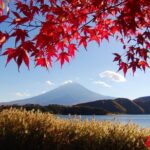
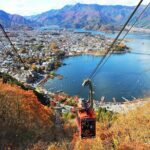
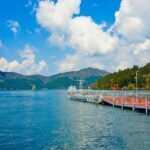
Lake Kawaguchiko is another free-entry, about one hour stop, and it rounds out the day with a calmer vibe. This is the kind of location where you can sit for a minute, stroll along the shore, and look for different angles on Fuji.
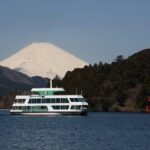
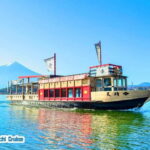
The tour description notes recreational options like boating and fishing, plus local eateries around the lake. I like this stop because it gives you options. If Fuji is visible, great. If not, the lake atmosphere still makes the time feel productive.
If you’re deciding how to spend your one hour, I suggest a simple approach: pick one viewpoint for photos, then use the rest of the time to walk slowly and let the day catch up with you.
Optional Saiko Iyashi no Sato Nemba: when you want more than views
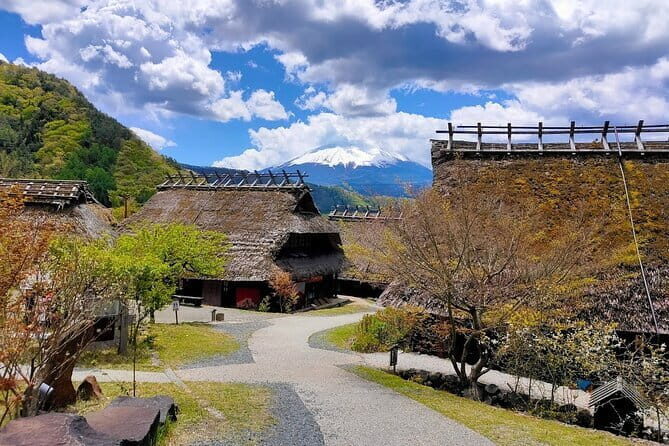
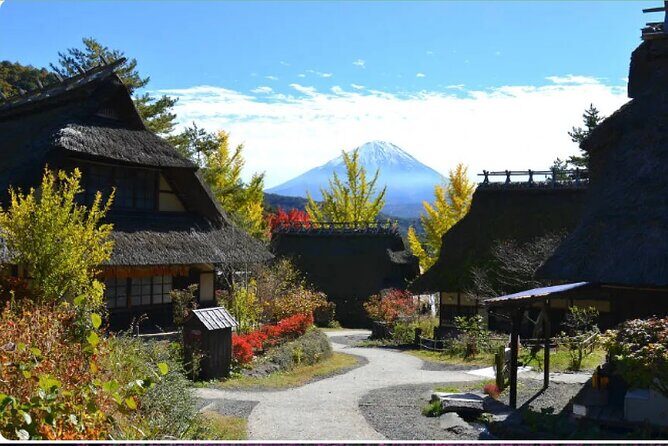
If you want an extra slice of traditional atmosphere, there’s an optional stop: Saiko Iyashi no Sato Nemba near Lake Saiko. The fee is 500 yen per adult (not included), and the tour notes it as optional.
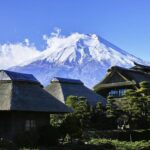
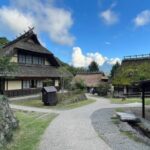
This restored village with thatched-roof houses can be a nice contrast to the “Fuji postcard” stops. It’s quieter, and it tends to appeal to people who like craft-style sightseeing or simply want a change in scenery before heading back to Tokyo.
Because it is optional, it’s also a great choice for those who want the tour to feel less like a checklist and more like a tailored day.
Price and value: how $445 makes sense for up to four
At $445 per group (up to 4), the price is not cheap, but it can be strong value for the service you’re getting.
Here’s what your money typically buys:
- Private transportation (not shared)
- Parking fees, highway tolls, fuel surcharge included
- Hotel pickup and round-trip transfers
- A guide/driver who speaks English and helps with timing and photo spots
- Access to multiple free-entry nature and shrine stops
What’s not included:
- Lunch and drinks
- Mt. Fuji 5th Station admission (2,800 yen per group, paid separately)
- Saiko Iyashi no Sato Nemba (500 yen per adult, if you choose it)
So the value question becomes: is it worth it versus public transport plus taxis? For most people, yes, because you’re paying for saved time, reduced hassle, and a smoother day that lets you actually enjoy the stops. If you’re a family, a small friend group, or you want control over pacing, private transport becomes more affordable fast.
One more practical note from real-world feedback: vehicle size can vary. Even though the tour is priced for up to four, at least one review mentioned a car feeling small for a larger group size. If you’re traveling right near the upper limit, confirm the vehicle setup so you’re not surprised.
Who this tour fits best (and when to think twice)
This Mt Fuji private tour is a good fit if you want:
- Multiple Fuji-area stops in one day without rushing through them
- A dedicated English-speaking guide/driver for route support and photo help
- A format that works for different walking speeds, since some guides are described as adjusting to slower travelers
It might be less ideal if:
- You want a fully guided experience where the guide walks with you into every spot. Some feedback describes more of a driver-and-photo-guidance style rather than constant accompaniment.
- You’re extremely time-sensitive. The day can be long, and your schedule can shift slightly earlier due to traffic or weather.
The tour also notes it’s not recommended for travelers over 95 years. That doesn’t mean nobody goes; it means this company is looking out for the practical reality of stairs, uneven paths, and altitude.
Should you book this Mt Fuji private car tour?
If your priority is seeing the best-known Mt Fuji surroundings—Oshino Hakkai, Lake Kawaguchi, Chureito Pagoda, and more—in a way that is comfortable and low-stress, I think this tour is a strong booking choice. The combination of private transport, hotel pickup, and free-entry sights is a smart way to buy back time and energy.
I’d book especially if you value:
- photo time and not feeling rushed
- an English-speaking guide/driver who is dependable (names like Ali, Amir, Imran, and Zubi show up repeatedly in feedback)
- a plan that can still work if the mountain visibility is imperfect
Hold off or consider alternatives if you expect a guaranteed perfect Fuji view or you need a guide to accompany you at every step. Weather is real, and some parts are more self-guided once you arrive.
If you’re going in with flexible expectations and you want a smooth, classic Fuji day, this is the kind of tour that makes it easier to enjoy the mountain instead of wrestling logistics.
FAQ
How long is the Mt Fuji Exclusive Tour with Private Car and English Guide?
It runs about 9 to 10 hours, with extra time built in for driving between stops.
How many people can join the private tour?
The price is for a group of up to 4 people.
Do I get hotel pickup in Tokyo?
Yes. The tour includes round-trip transfers with pickup offered from your Tokyo hotel.
Are there admission fees for the stops?
Many stops are free, but the Mt. Fuji 5th Station has an admission fee of 2,800 yen per group, and the optional Saiko Iyashi no Sato Nemba has a fee of 500 yen per adult.
Is the Mt. Fuji 5th Station included every day?
It’s included only if weather permits.
Is lunch included in the price?
No. Lunch, food, and drinks are not included.
What if weather is bad on the day I book?
The experience requires good weather. If it’s canceled due to poor weather, you’ll be offered a different date or a full refund.
Is this a private tour or shared with other groups?
This is private. Only your group participates.
Can I cancel for free?
Yes. Free cancellation is available up to 24 hours before the experience start time for a full refund.