REVIEW · TOKYO
Hakone and Mt Fuji Private Custom Tour with English Guide
Book on Viator →Operated by Sakura Tokyo · Bookable on Viator
Hakone plus Mt Fuji in one day can sound like a lot. What makes this tour work is the private setup and the English-speaking licensed driver-guide who keeps the pace calm.
I like that you’re not stuck with a rigid script, and I also like the way the day mixes famous views with practical breaks and photo stops. One thing to keep in mind: the whole plan depends heavily on weather, so Fuji visibility can be a gamble.
With pickup inside Tokyo’s 23 wards and a comfy, air-conditioned car, you lose less time to transit stress. I also appreciate the small extras that matter on a long day: bottled water, WiFi in the car, and maps with explanations so you know what you’re looking at.
The biggest consideration is how packed the choices can be. You’ll cover a lot of places, and some optional attractions (like caves or the glass museum) are only worth it if your group truly wants them, not just the pictures.
In This Review
- Key highlights in plain terms
- A Fuji Day That Actually Feels Like a Day
- First Stop in Hakone: Owakudani and Hakone Black Eggs
- The Ropeway View Test: Where You’ll Understand the Volcano
- Lake Ashinoko by Pirate Ship: A Softer Pace in Midday
- Gotemba Premium Outlets: When Shopping Makes Sense
- Saiko Iyashi no Sato Nenba: Traditional Village by the Water
- Shiraito Falls and the Fuji Backdrop Feel
- The Lakes Phase: Reflection Stops for Fuji Views
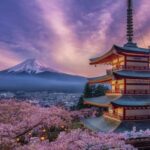
- Chureito Pagoda at Arakura Fuji Sengen Shrine
- Kitaguchi Hongu Fuji Sengen Jinja: History Under the Trees
- Oshino Hakkai: Eight Ponds Fed by Fuji Snowmelt
- Optional Caves: When You Want a Different Kind of Fuji Adventure
- Value and Timing: Why the Private Format Matters
- Who This Tour Is Best For
- Should You Book This Hakone–Fuji Private Tour?
- FAQ
- How many people can I book for?
- How long is the tour?
- Do you offer pickup in Tokyo?
- Is the guide English-speaking?
- What’s included, and what’s not?
- Can the itinerary be customized?
- Which stops are optional?
- Is this tour ticketed digitally?
- What if the weather is bad?
Key highlights in plain terms
- Private, licensed English driver-guide: you get a real person adjusting the day, not just a checklist.
- Tokyo pickup within the 23 wards: convenient start, especially if you’re staying outside major train nodes.
- Hakone volcano classics first: black eggs at Owakudani, the ropeway views, and Lake Ashi by cruise.
- Fuji Five Lakes area photo and shrine stops: Chureito Pagoda and historic shrine grounds give you iconic angles.
- Optional “choose-your-adventure” add-ons: caves, Venetian glass, skywalk options, depending on your interests.
- Value math for small groups: up to 3 people, so the per-person cost drops fast if you travel together.
A Fuji Day That Actually Feels Like a Day
This is the kind of trip you book when you want Mt Fuji and Hakone without turning your day into a 10-hour sprint. You’re in a private car with a licensed driver-guide, so you’re not playing calendar chess with train lines, transfers, and last-minute delays. The schedule is structured, but it’s also described as customizable and flexible, which is the real advantage.
The sweet spot is that you can plan for the “must-sees” while still having room to react. If your timing hits a quieter window at Lake Ashi, you can slow down. If the group wants more views and less shopping, the day can lean that way. And if you’re traveling with kids, older parents, or anyone who gets tired easily, having a driver-guide means you’re not stuck waiting on the “right” train.
Also, this is priced per group (up to 3). That changes the value conversation a lot. Instead of thinking per person, you can think like this: if three of you split the cost, it roughly becomes $430 ÷ 3, about $143 each, before any optional entrance fees. If you’re just two people, it’s higher per person, but still often cheaper than booking separate private transfers plus doing the logistics yourself.
Other Mount Fuji tours we've reviewed at Mt Fuji & Kawaguchiko
First Stop in Hakone: Owakudani and Hakone Black Eggs
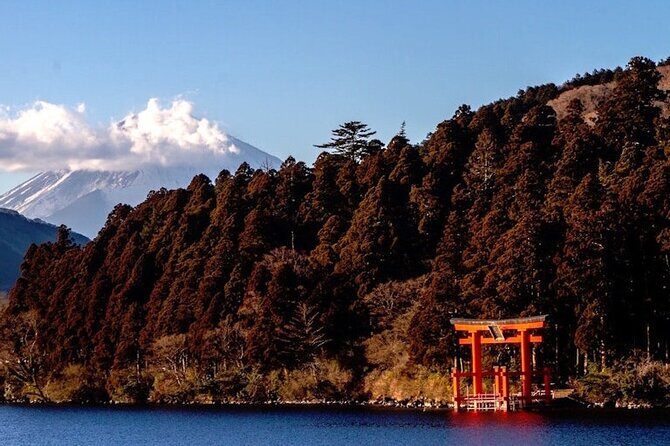
Your day starts in Hakone’s volcanic zone at Owakudani Valley. This is where the sulfur activity is the point, not a side note. You’ll stop at Hakone Black Eggs, where hard-boiled eggs are cooked in natural hot springs and their shells turn black from volcanic sulfur.
What I like about this stop is that it’s memorable without needing you to be an expert in anything. You get a clear cultural food moment tied directly to the geothermal setting. There’s also a local legend attached to eating the egg, which adds a fun bit of folklore you can actually connect to what you’re seeing around you.
The main drawback is timing and comfort. Owakudani can feel intense for some people due to the active area and strong smells. If your group is sensitive, I’d keep the visit quick, stay aware of footing, and treat it like a “see, try, move on” moment rather than an all-day hang.
The Ropeway View Test: Where You’ll Understand the Volcano
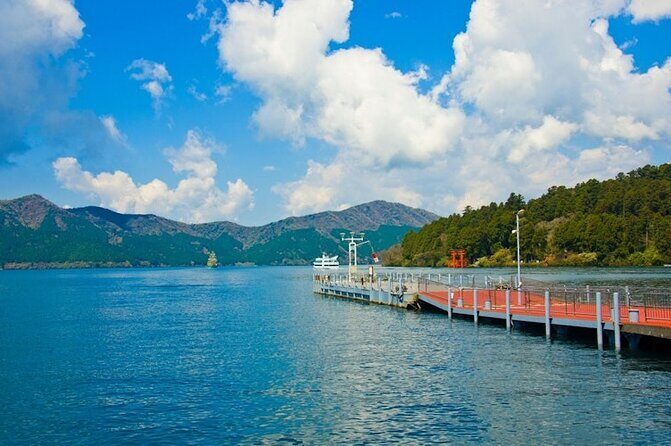
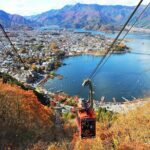
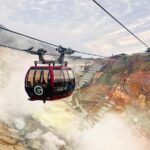
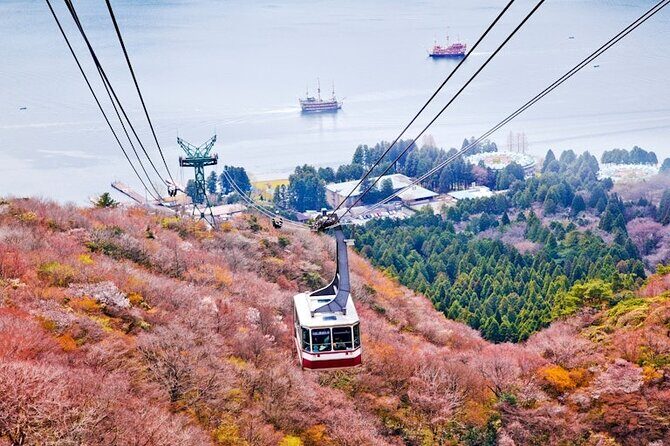
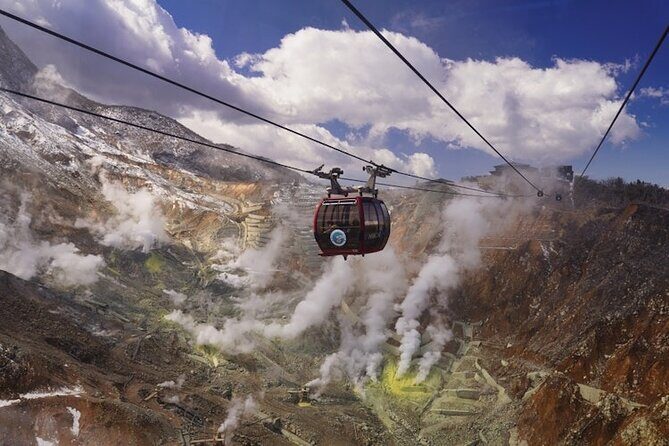
Next comes the Hakone Ropeway. This is one of those “you can’t really replicate this from a street corner” experiences. The ride gives you panoramic views over Owakudani Valley, including steaming sulfur vents and the direction of Lake Ashi below.
This stop matters because it turns the volcanic area from a rumor into a real place you can picture. Without the ropeway, you’d see steam and smoke, but you might miss the scale. With the ropeway, you understand why Hakone is famous for geothermal scenery.
A practical thought: ropeway rides can be affected by weather. If visibility is poor, you might not get the full photo effect you’re hoping for. Still, even when views are limited, the experience can be worth it for the sense of being above the activity and looking down toward the water.
Lake Ashinoko by Pirate Ship: A Softer Pace in Midday
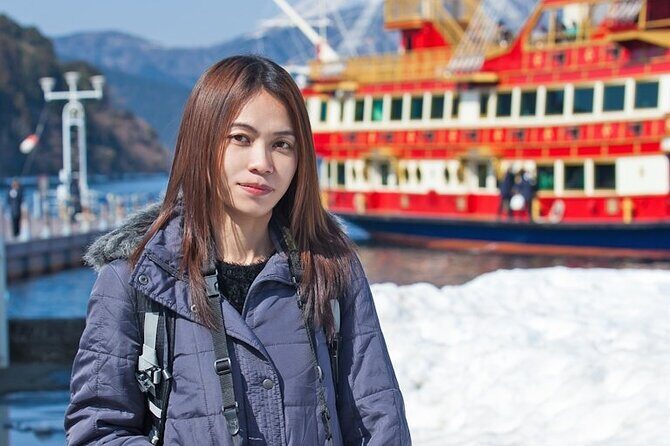
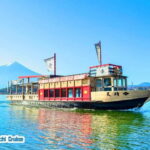
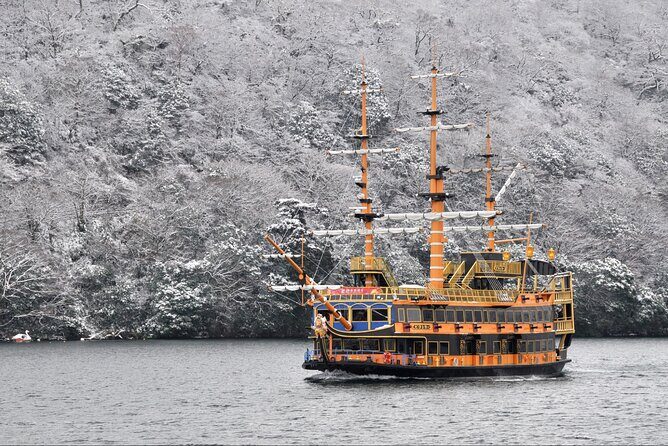
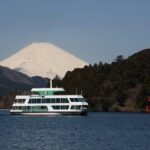
After the volcano, you shift to calmer water with Lake Ashinoko and a cruise aboard the Hakone Pirate Ship from Motohakone Port. The stop is listed as about a 30-minute journey, which is a nice reset during a long day.
This is one of the smartest pacing choices in the itinerary. You’ve got hot springs and volcanic air first, then you switch to open views across the lake. Even if Mt Fuji is not perfectly visible, the lake setting and surrounding hills give you that classic Hakone feel.
If you care about photos, this is a good moment to slow down. I’d plan to step outside onto the viewing areas while you can, because on-the-water views can change depending on wind and cloud cover. If your group likes taking pictures, this is where you’ll want time, not at a fast moving roadside stop.
Gotemba Premium Outlets: When Shopping Makes Sense
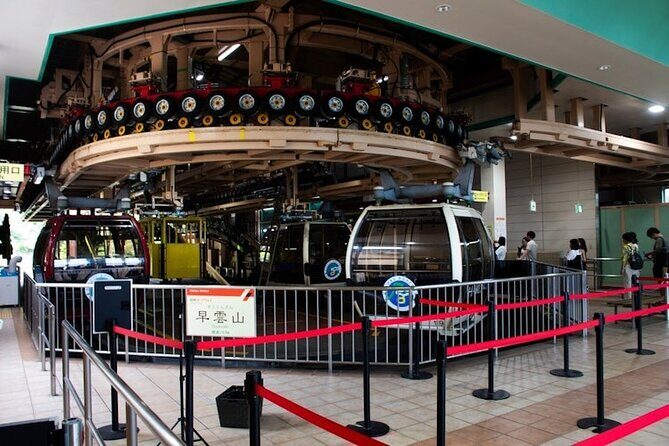
From the lake and volcano area, the tour offers an optional stop at Gotemba Premium Outlets, about an hour. This can be a win if your group likes browsing or you want a break that’s easy and predictable.
The upside is simplicity. After sightseeing, a mall stop can help people reset and buy snacks or souvenirs without hunting around. The “serious downside” is time opportunity cost: outlets are an extra detour, so if your focus is Fuji viewpoints, you may prefer to skip it or use it only if you know your group genuinely wants shopping.
I’d treat this as a choose-your-own-interest option. If you’re the person who loves Fuji photos and shrine vibes more than brand shopping, ask your guide to keep the day viewpoint-heavy.
Other Mt Fuji and Hakone combo tours at Mt Fuji & Kawaguchiko

Saiko Iyashi no Sato Nenba: Traditional Village by the Water
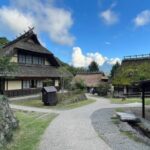
Then you head to Saiko Iyashi no Sato Nenba, described as a restored traditional village on the shores of Lake Saiko. The setting is presented as an open-air museum, rebuilt after destruction by a landslide.
What makes this stop valuable isn’t just the architecture. It’s the way it adds “culture and calm” between the more dramatic Hakone geothermal scenes and the iconic Fuji photography stops. It also gives you a different kind of scenery—quiet streets and traditional buildings rather than steaming vents or lake cruise decks.
The time is short (about 30 minutes), so it’s not meant to replace a full cultural day. It’s a taste. If your group likes photography, you’ll likely find angles in the village layout. If you don’t, plan to use the time for a quick walk, grab a small snack if needed, and keep energy for later.
Shiraito Falls and the Fuji Backdrop Feel
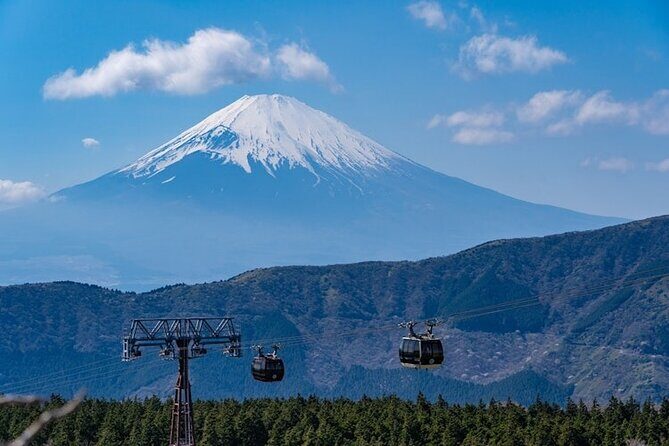
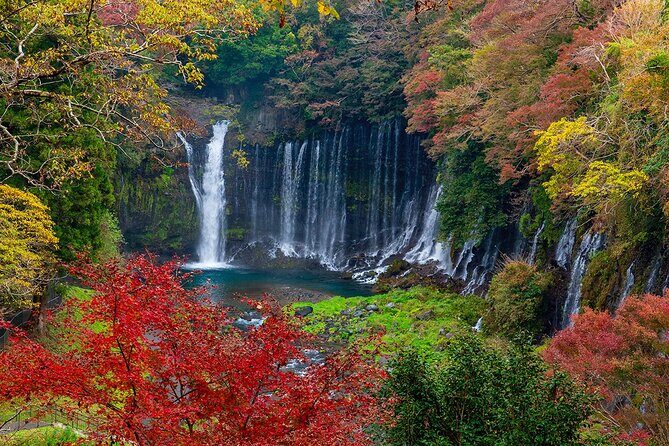
Next is Shiraito Falls, near Mount Fuji. The description calls it a stunning waterfall with delicate white streams cascading down roughly a 20-meter-high, 150-meter-wide cliff.
This stop has two benefits. First, waterfalls are visual relief on days heavy with photos and walking. Second, the falls are tied to the Fuji region, which helps keep the theme intact rather than feeling like a random stop.
The possible drawback is crowding and dampness on the path. Even when the visit time is reasonable, you might find wet ground or slippery stones. I’d wear shoes with grip and treat it as a short photo-and-look stop rather than a long hiking mission.
The Lakes Phase: Reflection Stops for Fuji Views
After Shiraito Falls, the itinerary shifts toward Lake Saiko and Lake Kawaguchi, both part of the Fuji Five Lakes region. These are the “slow look” segments where you’re chasing reflections, mist, and weather luck.
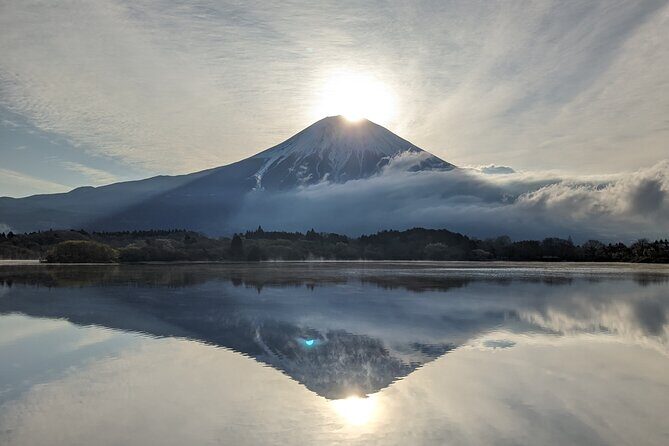
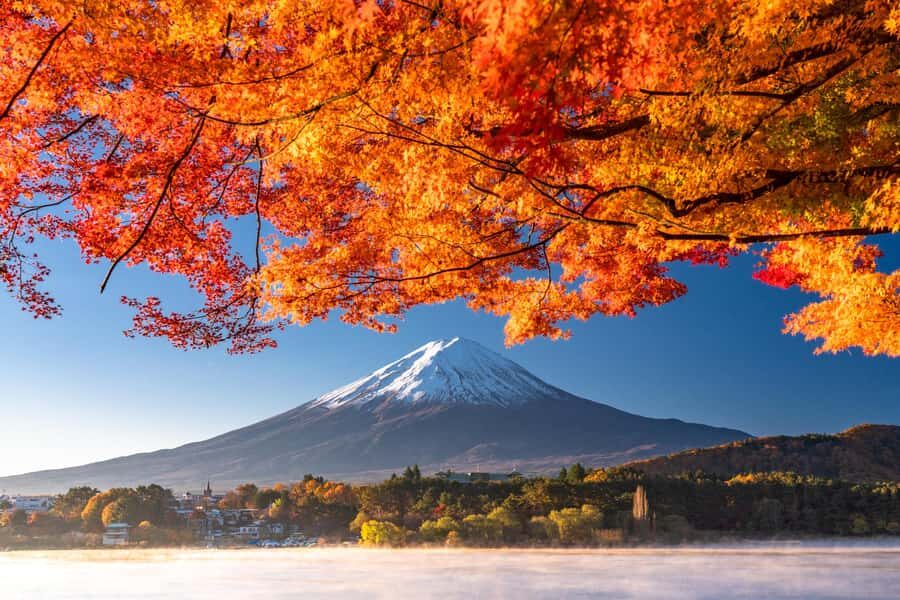
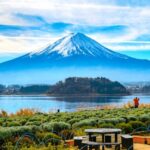
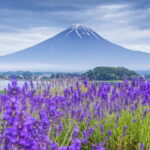
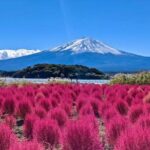
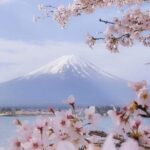
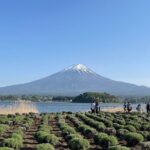
Lake Saiko is described as the Lake of Reflections, with forests and mountain views. Then Lake Kawaguchi is noted as the most scenic and visitor-friendly of the Fuji Five Lakes, with Mount Fuji reflected on the calm surface.
Here’s the honest travel reality: reflections depend on conditions. Wind and cloud can erase what you came for. But even when Fuji is partly obscured, the lake edges and forest lines still give you a strong sense of place. And because this is private, you can ask your guide where the best angles are given the conditions right then.
If you’re picky about views, this is also where flexibility helps. Instead of being forced to stand at the “wrong” spot, you can ask for the best practical place to wait a few minutes.
Chureito Pagoda at Arakura Fuji Sengen Shrine
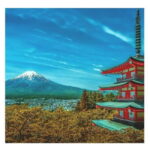
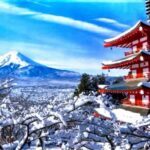
Arakura Fuji Sengen Shrine is the stop for the famous Chureito Pagoda photo angle. It’s one of Japan’s iconic Mt Fuji image spots, and the description makes it clear the payoff comes from being on the hillside above.
This is a classic “arrive, breathe, take photos, move” location. Even if you’ve seen the image online, it’s different in person because you’re looking across real terrain with real depth. And the shrine setting gives the scene more meaning than a random viewpoint.
The drawback is that these iconic angles can mean more foot traffic. Your advantage here is the driver-guide context: you can likely plan your arrival timing a bit better than if you were independent. Still, I’d keep expectations grounded. You’re there for the iconic scene, not for solitude.
Kitaguchi Hongu Fuji Sengen Jinja: History Under the Trees
Not every Fuji stop needs a pagoda. Kitaguchi Hongu Fuji Sengen Jinja sits at the foot of Mount Fuji in Fujiyoshida and is described as one of the most important and historic shrines dedicated to the sacred mountain. The grounds include centuries-old cedar trees.
This is the “pause and respect” segment. It helps the day feel more than just photography tourism. Shrines like this give you a sense of how Mt Fuji is treated in Japanese culture—revered, approached with tradition, and embedded in place.
It’s also a good reset if the group is tired. Even a short visit in a calmer shrine setting can feel like a break without costing you a lot of time.
Oshino Hakkai: Eight Ponds Fed by Fuji Snowmelt
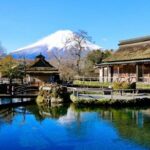
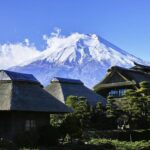
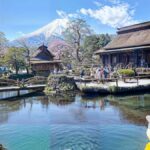
Oshino Hakkai is described as a traditional village known for eight crystal-clear ponds fed by pure snowmelt from Mount Fuji. The ponds reflect Fuji’s image, surrounded by thatched-roof houses and traditional water structures.
If you’ve only ever seen Fuji on postcards, this is the stop that turns “Fuji water” into something you can actually see. Clear ponds and traditional village architecture create a strong sense of realism. It’s also one of those places where you can slow down because the scene encourages it.
The only caution: because the ponds are clear and open, you’ll likely want good light for best reflections and photos. If clouds roll in, you may still enjoy the atmosphere, but the “mirror Fuji” effect might be reduced.
Optional Caves: When You Want a Different Kind of Fuji Adventure
After the classic lakes and shrine stops, the tour lists several optional “extra” attractions. This is where you can shape the day to your group.
Narusawa Ice Cave is an optional stop. It’s described as an underground world formed by ancient lava flows, naturally cooled, with ice pillars and frozen walls. Fugaku Wind Cave is also optional, near the Aokigahara forest, with a consistently cool temperature around 3°C.
These caves can be fascinating because they’re not the usual postcard Fuji experience. They’re about geology and the ways the landscape preserves cold air or ice.
Here’s when I think they’re worth it: if your group likes natural oddities, geology, or just wants a change of pace from water and shrine settings. Here’s when to skip: if you’re already tired, cold weather makes you miserable, or your main goal is outdoor viewpoints and photos.
The tour also offers optional choices like the Hakone Venetian Glass Museum (Japan’s first art museum dedicated to Venetian glass) and the Mishima skywalk. The Mishima Skywalk is described as Japan’s longest pedestrian suspension bridge, stretching 400 meters across a deep valley.
Pick based on your group’s energy, not just the brand names. A cave visit can add variety, while a glass museum can be a comfortable indoor break if the weather turns.
Value and Timing: Why the Private Format Matters
The price is $430 per group for up to 3 people, with about 10 hours on the clock. That’s not a cheap day trip on paper, but the value depends on how you compare.
If you’re traveling with two other people, this can work out well because you’re paying once for private transportation, not splitting costs across multiple tickets and transfers. On top of that, you get highway, fuel, and parking fees covered, plus bottled water and WiFi in the vehicle.
The included maps with explanations are also a real practical bonus. In Japan, it’s easy to show up at a viewpoint and wonder what you’re actually looking at. With explanation in the car, you’re more likely to understand the meaning behind the place and not just chase photos.
The pacing is described as calm and flexible in the feedback you’ll see on this kind of experience. That matters. With Hakone and Fuji areas, speed can mean missing details. A slower rhythm lets you enjoy each stop instead of sprinting between them.
Who This Tour Is Best For
This private day fits best if you want control and comfort:
- Families who need a calmer plan and don’t want to manage transfers.
- Couples or small groups who want Mt Fuji plus Hakone highlights in one day.
- People who like taking photos but also want context, not just stand-and-shoot stops.
- Travelers who value an English-speaking guide who can adjust on the fly.
It might not be ideal if your group wants a super free-form adventure with no schedule at all, or if you’re planning to add many extra stops beyond what’s offered. Also, if Fuji weather is critical to your bucket list, remember the whole experience depends on good conditions.
Should You Book This Hakone–Fuji Private Tour?
If you want a private, customizable day that covers the key Hakone and Fuji-region icons without you handling logistics, I think this is a smart booking. It’s especially good for small groups who can share the $430 cost and benefit from the driver-guide’s ability to keep the day moving at a relaxed pace.
I’d only hesitate if you’re the kind of traveler who hates weather uncertainty, because the tour requires good weather and can be rescheduled or refunded if conditions are poor. If you’re okay with weather luck and you want the convenience of pickup plus an English guide, this is a solid way to make Hakone and Mt Fuji fit into a Tokyo-based itinerary.
FAQ
How many people can I book for?
This is priced per group and supports up to 3 people per booking.
How long is the tour?
The tour duration is listed as about 10 hours.
Do you offer pickup in Tokyo?
Yes. Pickup and drop-off are offered within Tokyo’s 23 wards.
Is the guide English-speaking?
The tour includes an English-speaking licensed driver-guide.
What’s included, and what’s not?
Included items are bottled water, highway/fuel/parking fees, WiFi on board, private transportation, an air-conditioned vehicle, and maps with explanations. Entrance fees for optional stops and food are not included.
Can the itinerary be customized?
Yes. The tour is described as customizable with a flexible schedule.
Which stops are optional?
Optional stops listed include Narusawa Ice Cave, Fugaku Wind Cave, Hakone Venetian Glass Museum, Mishima, and Gotemba Premium Outlets, plus other optional options within the flow of the day.
Is this tour ticketed digitally?
Yes. It offers a mobile ticket.
What if the weather is bad?
The tour requires good weather. If it’s canceled due to poor weather, you’ll be offered a different date or a full refund.