REVIEW · TOKYO
Mt Fuji and Lake Kawaguchiko Bus Day Tour with English Guide
Book on Viator →Operated by QHTravel · Bookable on Viator
A Fuji day can be hit or miss, but this plan is built to help. You’ll pack in the most photogenic spots around Lake Kawaguchi, with major view points plus seasonal color at Oishi Park. I especially like that the tour zeroes in on practical photo locations like the blue Lawson facade and the Chureito Pagoda area. One thing to note: this kind of day lives and dies by weather and you’ll do some real walking, including a long stair climb.
What makes the trip feel efficient is the mix of iconic sights and quick stops that don’t waste time. You’ll also get an English guide sharing local context, which makes the views feel more meaningful than just snapping photos. Still, lunch isn’t included, so you’ll want to plan ahead so you’re not stuck searching when the group is moving.
In This Review
- Key highlights you’ll care about
- Mt Fuji and Lake Kawaguchiko: Why this day trip works
- Tokyo Station pickup and private comfort (8–10 hours, no guesswork)
- Arakurayama Sengen Park and the 397-step Chureito Pagoda
- Hikawa Clock Shop: Stairway-to-Heaven street vibes
- Oshino Hakkai: Eight springs and Fuji reflection potential
- Lawson Kawaguchiko Station: the blue facade photo stop
- Oishi Park by season: lavender in summer, kochia in autumn
- Seasonal events and Fuji storytelling from your English guide
- Price and value: $15 is low, so manage what you add
- Weather and walking reality: how to avoid a frustrating Fuji day
- How to pack and plan for better photos
- Who this Mt Fuji bus tour suits best
- Should you book this Mt Fuji and Lake Kawaguchiko day tour?
- FAQ
- What is the meeting point for the Mt Fuji and Lake Kawaguchiko bus day tour?
- How long is the tour?
- What’s included in the tour price?
- Is lunch included?
- Does it require good weather?
- Is there a cancellation policy?
Key highlights you’ll care about

- Private group setup so it’s just your party, not a crowd shuffle
- English guide who adds stories and practical guidance for seeing Fuji well
- Arakurayama Sengen Park + Chureito Pagoda with the famous 397-step approach
- Oshino Hakkai for eight spring ponds tied to Fuji’s snowmelt
- Lawson Kawaguchiko Station for that instantly recognizable blue storefront photo angle
- Seasonal gardens and festivals around Lake Kawaguchi, including lavender/kochia and maples
Mt Fuji and Lake Kawaguchiko: Why this day trip works
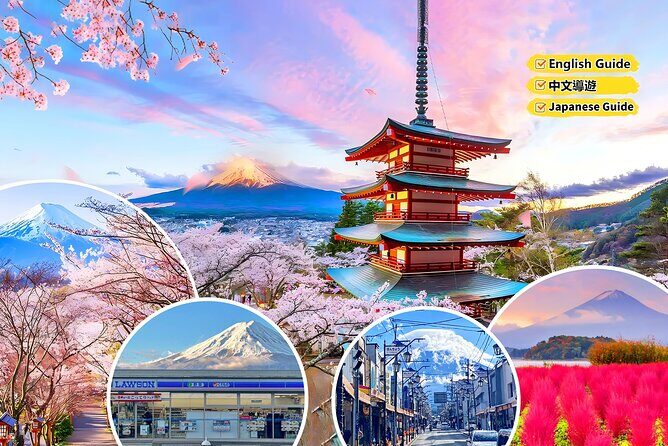
If you only have one day out of Tokyo for Mount Fuji, you need two things: a smart route and enough time at the best viewpoints. This tour is designed as a tight day plan from early morning, so you’re not spending the day in transit wondering if you’ll catch clear views.
The big value here is that you’re not just visiting one place. You’ll rotate through classic Fuji photo zones around Kawaguchiko and the surrounding sights, including areas known for postcard-style angles. And because it’s a bus day tour, you avoid the headache of changing trains and buses when your schedule is limited.
Other Mount Fuji tours we've reviewed at Mt Fuji & Kawaguchiko
Tokyo Station pickup and private comfort (8–10 hours, no guesswork)
You’ll start at Tokyo Station Marunouchi North Exit Bus Stop No.21, with an 8:00am departure. The tour is set to run about 8 to 10 hours, and it returns you back to the meeting point, which makes planning your evening much easier.
I like the private-group setup because it changes the vibe. It’s easier to keep together, ask questions in real time, and move quickly when the guide spots a good window for photos. Even if your group is small, the schedule still feels organized, not chaotic.
The tour includes an air-conditioned vehicle and the driver and guide service fee. That matters in summer and shoulder seasons, when getting comfortable between stops can make the whole day feel less tiring.
Arakurayama Sengen Park and the 397-step Chureito Pagoda
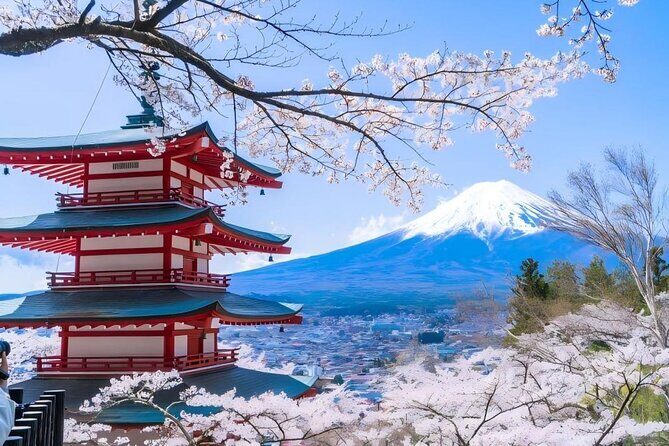
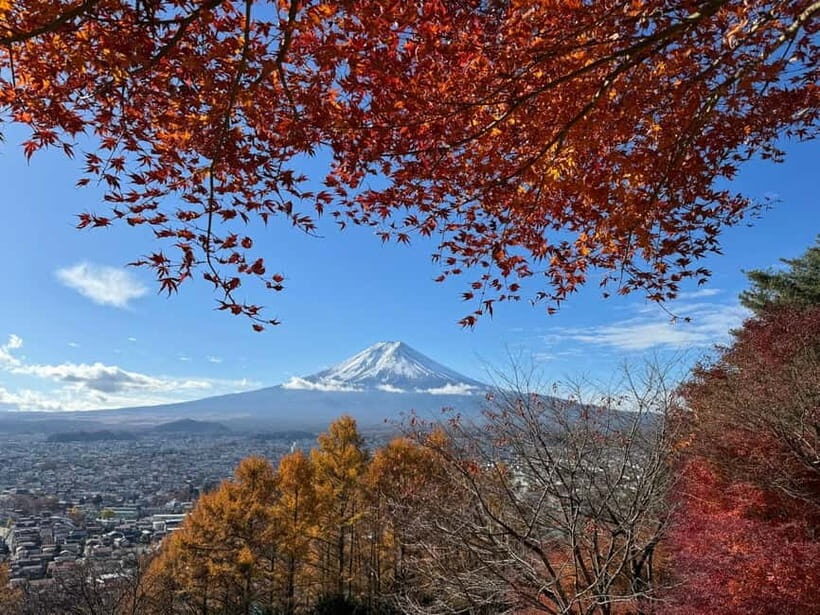
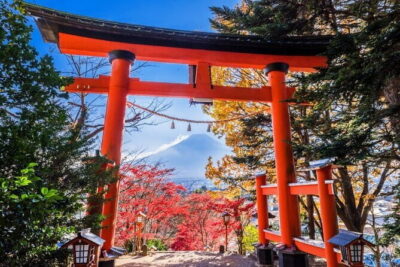
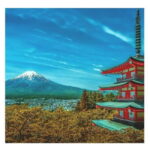
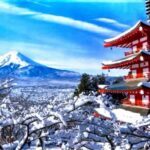
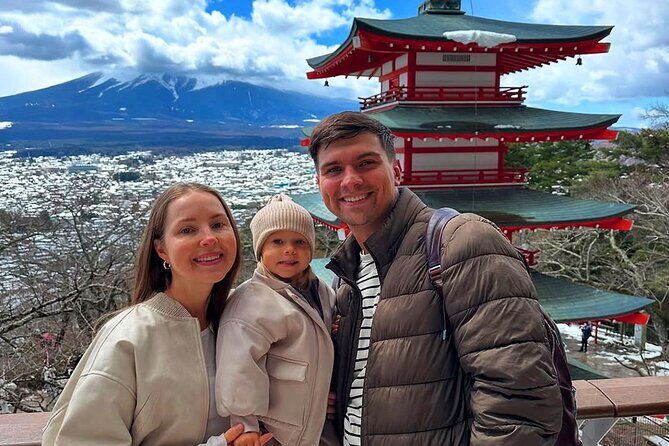
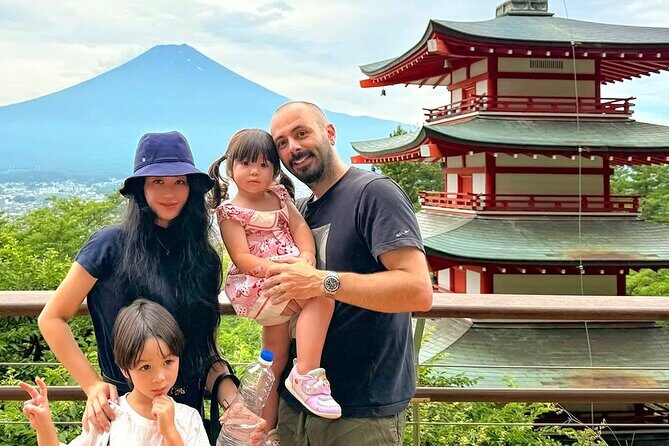
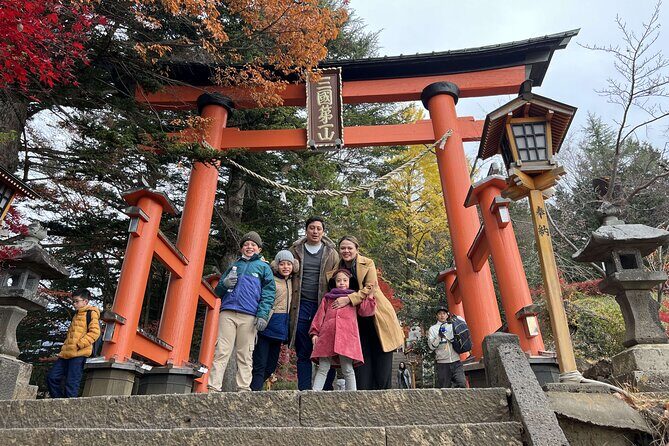
This is the stop most people picture when they think Fuji photos. Arakurayama Sengen Park takes you toward the iconic Chureito Pagoda, reachable by climbing 397 steps near the main shrine area.
The payoff is the wide view: you’re aiming for that classic pagoda-with-Fuji-in-the-background framing that’s hard to replicate elsewhere. The stairs also help you get a higher vantage fast, which is a big deal if the weather is clearing and you want the best sightline before clouds roll back in.
Possible drawback: those steps add up, especially if you arrive when the ground is slippery from mist or when you’re carrying camera gear. If you’re not into stairs, still go for it—but consider pacing yourself and keeping an easy grip on your footing.
Hikawa Clock Shop: Stairway-to-Heaven street vibes
After the big viewpoint, you’ll move to a quieter photogenic area near Mount Fuji. The Hikawa Clock Shop stop is linked with the Stairway to Heaven Town concept, where streets feel like they’re built to lead your eyes upward and toward the mountain view.
This isn’t about a single monument. It’s more about the setting: the road rhythm, the perspective lines, and the way Fuji can appear at the end of the street when visibility is good. If you like composition shots—angles, vanishing points, and layered scenery—this is a fun change of pace from the main park viewpoint.
Time is short at about 20 minutes, so this is not a lingering café stop. It’s a quick “get your angle, take the photo, move on” moment.
Oshino Hakkai: Eight springs and Fuji reflection potential
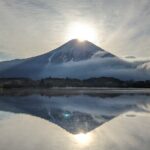
Next up is Oshino Hakkai, a set of springs formed from Mount Fuji’s snowmelt filtering through the ground. You’re looking at eight pristine springs, and the setting is famous for the shimmering water effect with Fuji in the background.
This stop is about 1 hour 20 minutes, which is a comfortable amount of time to walk around and pick different angles. The ponds also give you variety in how the mountain shows up—sometimes clearer, sometimes softened by water and atmosphere—so you’re not stuck with one single view.
The practical tip: bring something to wipe camera lenses or glasses if there’s mist. Water settings can mean humidity, and that’s when small smudges become big problems for sharp photos.
Other Lake Kawaguchiko tours at Mt Fuji & Kawaguchiko

Lawson Kawaguchiko Station: the blue facade photo stop
Yes, a convenience store is part of a major Fuji photo route. The Lawson at Kawaguchiko Station has become a popular shooting spot thanks to its modern blue facade contrasting with Mount Fuji when conditions line up.
The stop lasts about 20 minutes, so it’s quick and focused. The reason this works is simple: if Fuji is visible, that blue storefront creates a strong color anchor that helps your photos pop without needing fancy settings.
You’ll want to be ready to shoot fast. This is one of those places where the best shot comes from timing and angle, not from waiting around for perfection.
Oishi Park by season: lavender in summer, kochia in autumn
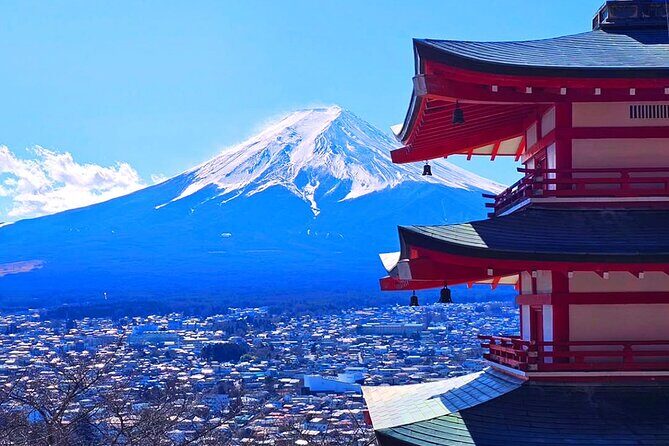
If Arakurayama is about the classic postcard view, Oishi Park is about seasonal atmosphere. The timing here can change the whole mood of your day.
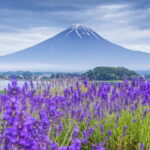
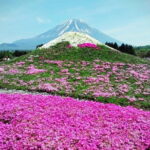
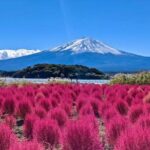
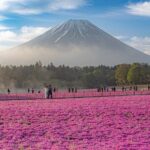
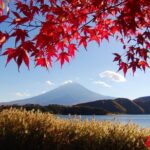
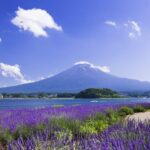
In summer, Oishi Park can feature lavender that covers the park in purple tones, with Mount Fuji as a dramatic backdrop when visibility is clear. In autumn, the focus shifts to kochia, which turns bright red and creates that warm, fiery seasonal look.
This stop is about 1 hour, which is enough time to walk a loop and find a good viewpoint without the schedule feeling rushed. If you’re traveling in spring or autumn, it’s worth booking around the seasonal highlights—because the scenery isn’t static here.
Seasonal events and Fuji storytelling from your English guide
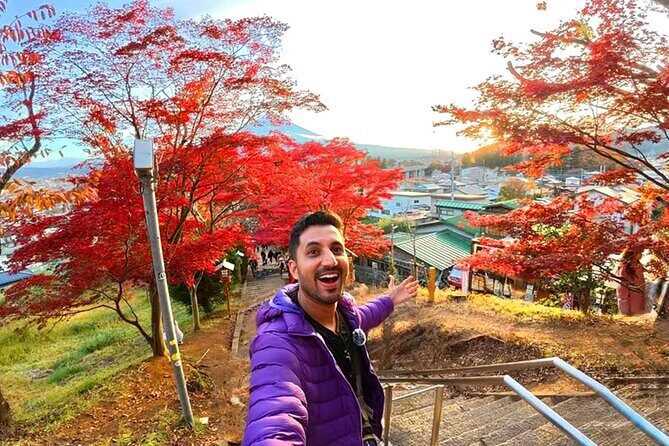
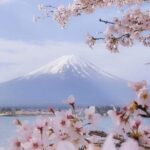
A big reason this tour feels satisfying is the combination of scenery with seasonal context. You may experience seasonal displays around the Lake Kawaguchi area such as the Lake Kawaguchi Cherry Blossom Festival, the Herb Festival, and the Maple Corridor with its annual autumn show.
The guide is where the day becomes more than a checklist. English-speaking guides share details and stories that help you connect the dots: why these places matter, how Fuji’s presence shapes local life, and what to look for when the mountain is visible between clouds.
In particular, the reviews you’ll find for this tour highlight guides such as Wong and Kevin for being friendly and for giving useful introductions. That’s the kind of energy you want on a day trip where you may only have a short window of good light.
Price and value: $15 is low, so manage what you add
At $15 per person, this is a budget-friendly way to tackle one of Japan’s most popular nature routes. The value comes from the structure: you’re buying transportation plus an English guide service fee, and that can easily cost more if you piece together buses and local transfers on your own.
What’s not included is lunch and other personal expenses. That’s normal, but it’s where you can accidentally overspend or lose time if you don’t plan. If you’re the type who likes to eat on the go, carry a snack and a refillable water bottle. Then, when the group pauses, you can choose a simple meal without stress.
Also, the tour uses a mobile ticket, which is handy. Japan runs smoothly with digital logistics, and it helps you avoid paper mishaps before you’re even off the bus.
Weather and walking reality: how to avoid a frustrating Fuji day
This tour is clear about one thing: good weather is required. If conditions are poor and Fuji is hidden, the experience can shift from magical to just scenic.
On top of weather, plan for movement. You’ll face the 397 steps up to the pagoda area at Arakurayama Sengen Park. Even if you’re fit, do not treat this as a gentle stroll. Bring comfortable shoes and expect your legs to feel it later.
If you’re traveling with kids, older adults, or anyone with mobility limits, consider whether the stair climb is okay. The tour notes that elders over 70 should be accompanied by a family member, which tells you the route isn’t designed for delicate mobility needs.
How to pack and plan for better photos
You’ll get more out of the day if you prepare like a photographer, even if you’re not one.
Bring:
- A light layer (mountain weather changes fast)
- Comfortable walking shoes (stairs are part of the plan)
- A lens cloth or small microfiber for misty spots
- Your phone camera settings or spare battery if you shoot a lot
Photo strategy:
- Shoot early at major viewpoints like Arakurayama when visibility is best
- Use quick stops (Lawson, Hikawa) to lock in color and composition fast
- In Oishi Park, linger just long enough to catch Fuji plus the seasonal color
Most importantly, be ready to adapt. Fuji doesn’t care about schedules, so your best results come from rolling with what the sky gives you.
Who this Mt Fuji bus tour suits best
This is a strong fit if you:
- Want a single-day Fuji plan with a logical route from Tokyo
- Care about photo spots as much as scenery
- Prefer an English guide to help you understand what you’re seeing
- Like the convenience of a private group setup so your pace stays consistent
It may be less ideal if you dislike stairs, get easily tired on long days, or want a slow travel rhythm with lots of unstructured time.
Should you book this Mt Fuji and Lake Kawaguchiko day tour?
I’d book it if you want an efficient Fuji day with the highest concentration of classic viewpoints around Lake Kawaguchi. The price is low for what you get—guided transport, a private-group format, and stops that are specifically chosen for how Fuji can frame in real photos.
I’d think twice only if your party can’t handle the stair climb, or if you’re traveling at a time when weather tends to be unstable and you’d rather avoid that risk. Otherwise, this tour is one of the more practical ways to chase Fuji without turning the day into a logistics puzzle.
FAQ
What is the meeting point for the Mt Fuji and Lake Kawaguchiko bus day tour?
The tour starts at Tokyo Station Marunouchi North Exit Bus Stop No.21, located at Chome-6 Marunouchi, Chiyoda City, Tokyo.
How long is the tour?
The duration is listed as 8 to 10 hours (approx.).
What’s included in the tour price?
Included are an air-conditioned vehicle and the driver and guide service fee.
Is lunch included?
No. Lunch is not included, and you’ll also cover other personal expenses.
Does it require good weather?
Yes. The experience requires good weather, and if it’s canceled due to poor weather, you’ll be offered a different date or a full refund.
Is there a cancellation policy?
Yes. You can cancel for free up to 24 hours in advance for a full refund. If you cancel less than 24 hours before the start time, the amount paid will not be refunded.